Is it time for surgery?
A cataract is a clouding of the natural lens inside the eye. It is part of normal ageing and it develops slowly, so many people do not notice until night driving, reading small print or bright sunshine become harder.
There is no rush. Surgery is right when the cataract is affecting the things you want to do. At your consultation we measure your vision, examine the eye in detail and talk honestly about whether now is the moment.
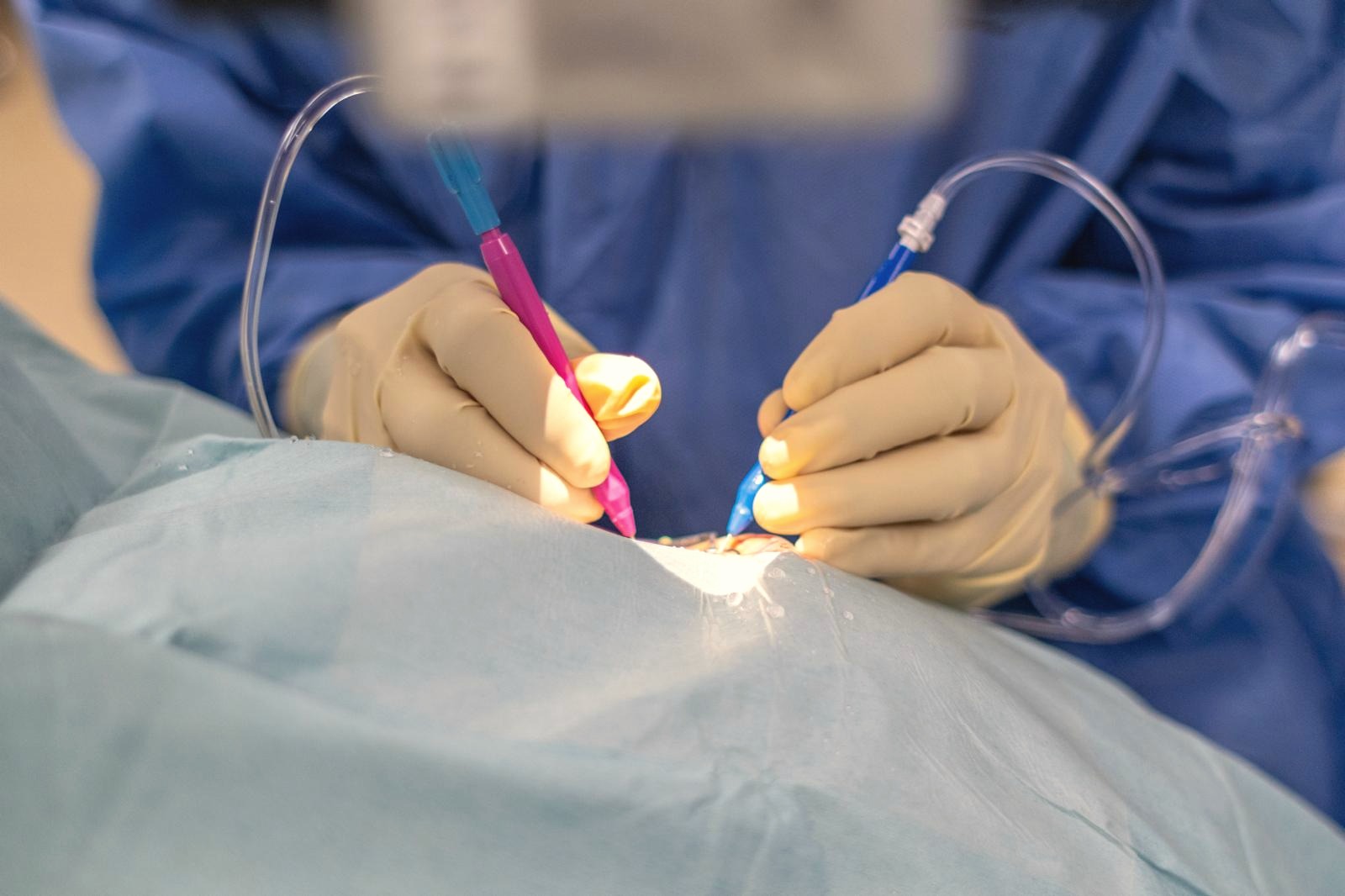
What happens on the day
1
Arrival and drops
You arrive around an hour before surgery. Dilating and anaesthetic drops are put in and we go through your consent again.
2
The operation
Under a microscope the cloudy lens is removed through a tiny incision and the new lens is folded in. Most people are aware of light and gentle pressure, nothing more.
3
Recovery room
A clear shield goes over the eye. You have a drink, we check you are comfortable and you go home with a friend or relative.
4
The next morning
Shield off, drops start. Most people notice clearer, brighter vision within a day or two.
Who I see
Standard age-related cataract
Complex cataract, including dense lenses, small pupils and previous eye surgery
Cataract alongside macular degeneration or diabetic eye disease
Patients who are anxious about surgery and would like sedation or extra time
Risks, honestly
Cataract surgery is one of the safest operations in medicine, but no operation is risk free. Serious complications affect fewer than one in a thousand people. We discuss the risks that apply to you before you decide, and you will have them in writing.
Common questions
Will I be awake?
Yes, but you will not see or feel the surgery. Anaesthetic drops numb the eye and light sedation is available if you would like it.
When can I drive?
Answer to follow: awaiting Ms Gupta’s copy.
Do I need glasses afterwards?
Answer to follow: awaiting Ms Gupta’s copy.
Can both eyes be done together?
Answer to follow: awaiting Ms Gupta’s copy.