Start with your day, not the brochure
The best lens is not the most expensive one. It is the one that fits how you actually spend your time. Someone who drives a lot at night has different needs from someone who reads for hours and rarely drives.
So the first questions are simple. What do you do most? What frustrates you about your vision now? How do you feel about wearing reading glasses?
Monofocal: the dependable default
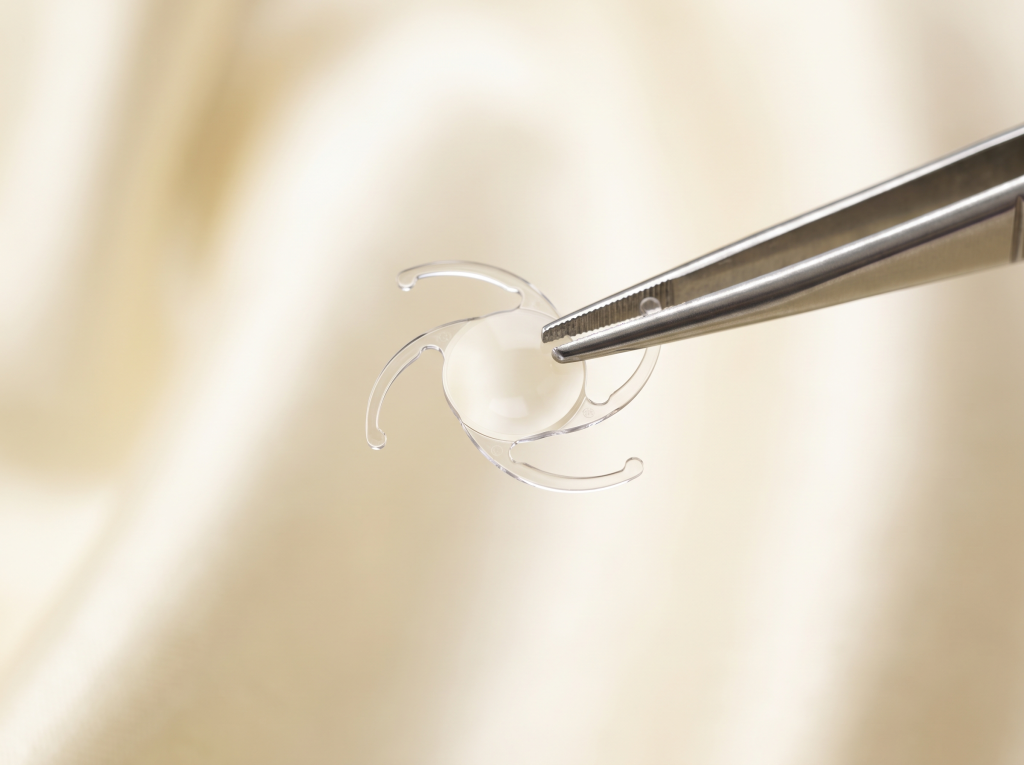
A monofocal lens gives sharp vision at one distance, almost always far. You wear reading glasses for close work. It is predictable, has the lowest rate of visual side effects and is the lens most insurers fund. Many of my patients choose it and are delighted.

Toric: if you have astigmatism
Astigmatism means the front of the eye is shaped more like a rugby ball than a football. A toric lens corrects it during surgery, so distance vision is crisp without a strong prescription. If your measurements show significant astigmatism, I will tell you.
Extended range lenses: fewer glasses, some compromise
These lenses spread focus over a range of distances so you rely on glasses less. The trade-off is that some people notice halos or glare around lights at night, and contrast can be slightly softer. They suit people who prioritise independence from glasses and have otherwise healthy eyes.
When I steer people away from premium lenses
Macular degeneration, significant dry eye, previous laser eye surgery or a strong preference for perfect night vision all push me towards a monofocal lens. I would rather you be a little dependent on glasses than disappointed.
How the decision actually happens
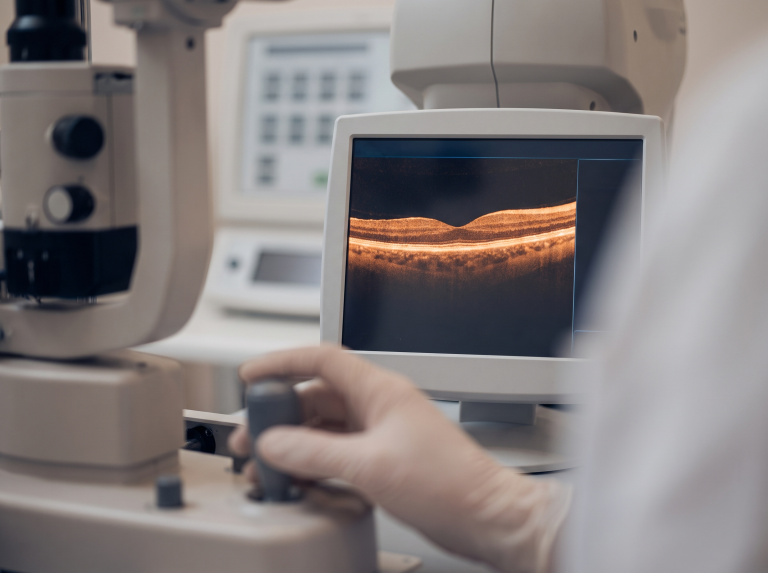
At your biometry visit we measure your eye to a fraction of a millimetre. We look at the numbers together, talk through your day, and choose. Nothing is decided in a hurry and nothing is upsold. You will have the fees for any upgrade in writing before you commit.